Explore the collection
Wall art for a home office
21 artworks
Choose an image that gives your working area a deliberate visual identity, taking account of both your desk view and the room beyond it.
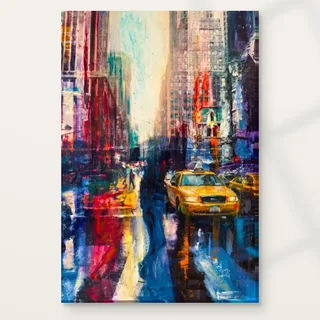
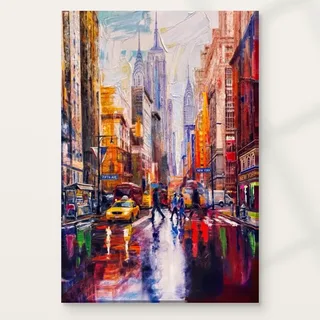
Artwork Yellow Taxi on Wet Street Impressionist
From £23.00
30.48 × 45.72 cm · Rolled canvas
View artwork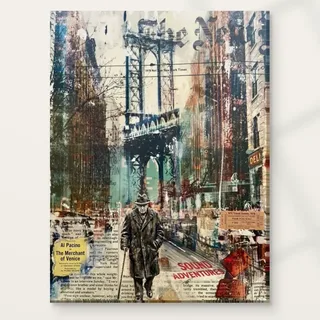
Hand Finished Artwork Watchful Figure Under Bridge Urban
From £23.00
30.48 × 45.72 cm · Rolled canvas
View artwork
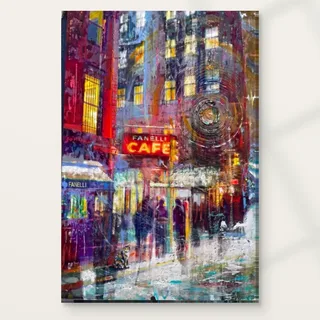
Hand Finished Artwork Neon Glow at Fanelli's Urban
From £23.00
30.48 × 45.72 cm · Rolled canvas
View artwork
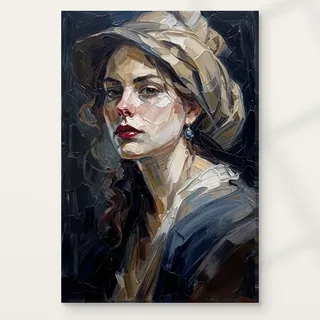
Hand Finished Artwork Woman with Blue Earring Impressionist
From £23.00
30.48 × 45.72 cm · Rolled canvas
View artwork
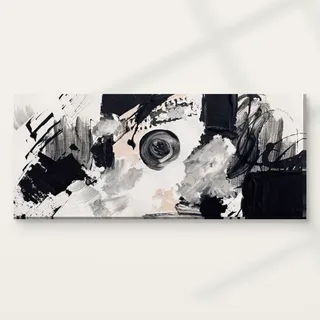
Hand Finished Artwork Monochrome Swirl in Motion Abstract
From £23.00
45.72 × 30.48 cm · Rolled canvas
View artwork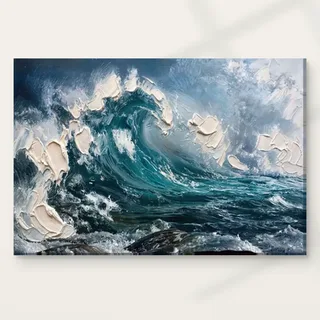
Artwork Rainy Day on Fifth Avenue Contemporary
From £23.00
30.48 × 45.72 cm · Rolled canvas
View artwork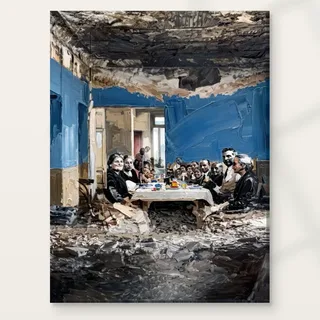
Artwork Gathering in a Ruined Room Expressionist
From £23.00
30.48 × 45.72 cm · Rolled canvas
View artwork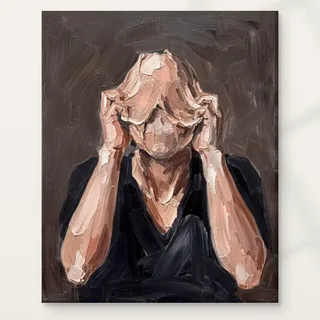
Hand Finished Artwork Distorted Veil Expressionist
From £23.00
30.48 × 45.72 cm · Rolled canvas
View artwork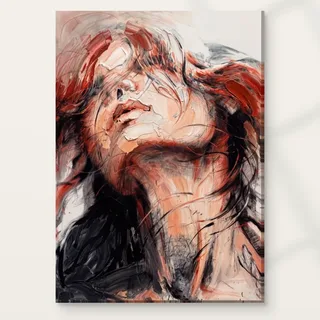
Artwork Reposed in Crimson and Black Abstract
From £23.00
30.48 × 45.72 cm · Rolled canvas
View artwork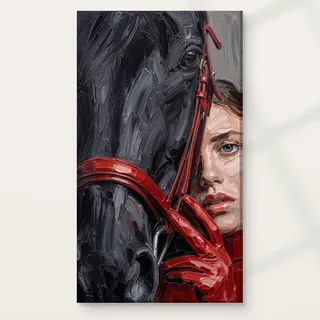
Hand Finished Artwork Equine Gaze with Red Accents Figurative
From £23.00
30.48 × 45.72 cm · Rolled canvas
View artwork

Hand Finished Artwork Textured Facial Reflection Impressionist
From £23.00
30.48 × 45.72 cm · Rolled canvas
View artwork
Artwork Graceful Figure in Red and Black Expressionist
From £23.00
30.48 × 45.72 cm · Rolled canvas
View artwork
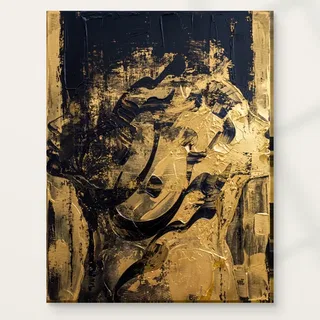
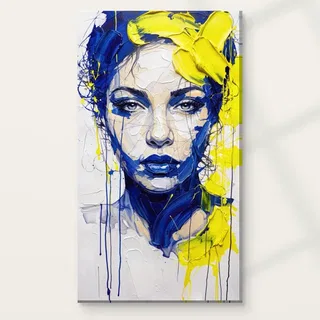
Artwork Blue and Yellow Textures Expressionist
From £23.00
30.48 × 45.72 cm · Rolled canvas
View artworkA considered choice
Check the view from the desk and the doorway
A monitor, shelf or desk lamp may conceal more of a print than you expect. Mark out the proposed dimensions before choosing a position, then look from your normal seat. Consider whether you want the artwork beside your work area or visible behind it.
Compare architectural lines with a less literal abstract arrangement to see which suits the objects already in the room. Choose a level of detail and contrast that you enjoy seeing throughout the day, then review the current sizes on each artwork page.
A guide to home office wall art
Read more: A guide to home office wall artRead less: A guide to home office wall art
Home office wall art can serve the person at the desk, someone walking in, or anyone who sees the room on a call. Those views rarely coincide. Decide which one matters before choosing a picture. For example, a print you see from your chair may deserve a different position from one behind it.
The three prints below offer a choice between a lively city accent, a broad ocean shape and a portrait with a strong presence. Compare them at the distance you actually have. Then consider how the screen, shelves and natural light alter the wall around them.
Start with the main view for home office wall art
Sit down the way you normally work. Look at either side of the monitor without pushing the chair back. Mark the piece of wall that remains visible when a laptop lid or task light is in use. Then stand in the doorway to see whether the same area reads differently.
There is no need to make one artwork perform well from both places. For instance, you may want to see the subject clearly while you are seated. Someone entering the room might notice only the colour. If you prefer to dress the view from outside the workspace, the reception room collection offers another starting point.
Think about what you do at the desk, and more than about the bare space around it. A monitor arm can change where a print feels centred. Similarly, a second chair for meetings may shift the useful view. Start with the things that will stay, then try the proposed picture next to them.
Test the camera crop for home office wall art
If you make video calls, open a private preview and don't rely on the view from the doorway. The official Google Meet guide to checking your appearance before joining shows where to find that preview in Meet. Use it to see what your camera includes with your normal seating and lighting.
Try a simple outline on the wall and sit in your usual place. Check the picture area at both your working posture and the position you take when speaking. A print that looks centred from across the room may sit directly behind your head. Moving it a little could leave more of the image visible at the side.
However, do not choose a picture solely for the camera if you will rarely use it there. Some people keep their background simple. A side wall you see each day may be the better place. In that case the camera check is only to confirm that the new work does not dominate your usual frame.
Compare three prints for home office wall art
Look for the part of each composition that registers first. On a thumbnail, that may be a bright shape or a sweeping line. At the desk, a shelf or monitor can remove that part from your view. Try to leave room for the feature that made you stop and look.
Bring a street accent into home office wall art
The lit car and the wet road in Yellow Taxi offer different kinds of detail. The taxi gives the foreground a bright point. Meanwhile, reflected light spreads across the street and draws attention further into the scene. That is useful if you want an image you can recognise without seeing every edge.
Try the shape on a quieter wall between the monitor and a doorway. Then look at it with the brightest nearby lamp switched on. The print does not have to match items on the desk. In fact, an isolated yellow accent may stand out more if the surrounding shelves contain quieter tones.
Choose a curved focal point in home office wall art
Cresting Ocean Wave sets white spray against a blue wave. The movement comes from the line of the crest, not from a series of separate objects. Therefore, the picture can suit a spot where you like to see a large, continuous shape beyond the equipment on your desk.
The National Gallery account of Monet's Water-Lilies, Setting Sun describes a quite different way to depict water without a conventional horizon. Put the two approaches next to one another as a looking exercise, not an attribution. Notice whether you prefer a clear crest to follow or a view in which water fills the field.
Give a portrait room in home office wall art
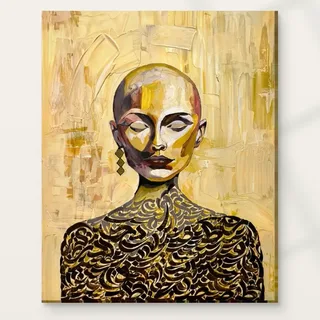
Crimson Haired Essence places vivid red hair against a rougher, quieter background. The dark clothing gives the central figure definition. Consequently, a wall with few other objects may let the face and red colour take the lead.
A portrait can also change the balance of a camera crop. If a face behind you competes with yours on screen, try the print on the wall you face. Conversely, if the artwork sits well to one side, you may like seeing a small part of its colour in the background. Test that choice with the camera you use, not a photograph taken from across the room.
Measure space around home office wall art
Start with a paper shape scaled to the outside of the format you are considering. Where there is a frame, its outer edges may need more room than the visible design. Then place the sheet clear of frequently used shelves and check the corner nearest the monitor.
Wall art above a working surface has to share the view with changing objects. For instance, a laptop may move between two positions. Use both when you test the wall. You can also open the notebook or folder you use most often. This practical exercise can reveal a smaller clear area than an empty desk suggests.
Take another look later in the day. If a window or lamp brightens one side, try where you usually sit with it in use. However, do not judge the whole room by one photograph. Your eyes have more freedom to move than a camera locked to a single angle.
Decide how much contrast you would like
Place each candidate next to the dominant colour of the wall or storage. The red in a portrait can sit well apart from a subdued bookcase. On the other hand, the sea print may look more at home next to a pale blue wall. In either case, compare the subject against the large surfaces first.
Then remove one visual distraction at a time from your test view. A stack of files may only be there today. A large cupboard probably stays. Therefore, choose against the objects that remain part of the workspace. Avoid taking the entire desk apart merely to make a picture look right for one afternoon.
Separate the purchased format from the display idea
Before you order, confirm the item, size and presentation in its listing. If you want the artwork to fit a particular camera crop, check the dimensions against the width you can actually use on that wall. A room example can illustrate scale without supplying all the measurements of the chosen item.
If you search for hand made wall art, use the Golden Ads explanation of the finishing process to compare what the print provides and what any available hand-finishing adds. The image alone does not tell you which production steps took place. So rely on the product option you chose, and don't judge by the brush-like marks you see.
Frequently asked questions
What makes home office wall art readable past a monitor?
A shape with a strong outline can be easier to recognise than small detail. First, sit with the monitor where it usually stands. For example, see whether the taxi or the crest keeps its clearest feature above or beside the screen. Then compare your view when you lean back normally.
Where should home office wall art go if I use two screens?
Test the space where the two screens do not overlap your view. You might prefer a side wall, where both screens leave the picture intact. Alternatively, try an open area above the shorter screen. Check it after switching the screen layout, especially if either arm moves during the day.
Does home office wall art need to appear on video calls?
The answer is no. A picture you can enjoy from the desk can matter much more. However, if you do want it on camera, preview your normal seat and framing. Make sure the content of the picture is appropriate for what you share. Keep the workspace useful even when the camera stays off.
Can I use home office wall art next to shelving?
Yes. The nearby shelf edge can give you a clear line to compare with the print. Then check whether the books or storage boxes project into the image as you see it from the chair. Leave room to pick up and put away the things you actually use.
What should I do if a desk lamp catches the print?
Switch the lamp into the position you normally use. Then check the display from your seat, and not from the middle of the room. For instance, moving the picture to the side may let you keep the same lighting. Do not change a useful working light solely for a photograph.
Should a print match the colours on a desk?
It does not have to. If you want a simple connection, compare it with a large stable surface, such as a wall or bookcase. However, a single contrasting colour can be enough. Changing accessories may alter the look next week, so do not depend on every small item matching.
How can home office wall art work in a shared space?
Start with views both people use. Each person can check the wall from their own chair. If both see different parts of it, choose a clear shape or move the picture towards a common sightline. Alternatively, a piece on the entrance wall may make more sense than putting it behind one desk.
Can a portrait look too prominent on camera?
It can, particularly when the painted face fills the same part of the view as yours. Test whether a side position keeps the interest without placing both faces together. If that is not possible, choose the wall you face for the portrait. The artwork can still be prominent in the room.
How do I compare a broad print with a taller one?
Mark both outlines separately before comparing. Notice where the broad shape runs into shelves. Then check whether the taller shape fits the room you see above the monitor. Give each shape the space it needs, and don't stretch one paper template in both directions.
What if I do not have room for a second print?
Use the one image to establish a view you like. A bright foreground can make it easy to pick out, while a curved line can carry the eye across spare space. Neither needs a partner beside it. Test the solitary outline with the room in ordinary use before deciding.
Does selecting a size change how a print reads?
Yes, it changes the visible relationship to the room and desk. A smaller choice can make the main forms easier to take in at a glance. A bigger display can bring less obvious details into view. Compare the chosen size with the exact viewing distance and leave space for its presentation.
How can I compare two prints without moving my workstation?
Test two paper outlines on the wall you already see from the desk. Then keep the monitor and light in the same positions for each check. As a result, you can compare what changes around the picture itself. Take the same approach to the camera view if you use it.
Choose home office wall art around your own view
Decide whether you most want the city light, the line of the wave or the strength of the portrait. Then put that feature where you can see it clearly. Browse the office collection above and open the options on the artwork you prefer. Pick the format that suits the wall you use, so the print can belong in the room without taking it over.