Explore the collection
Figurative wall art
8 artworks
Figures and portraits introduce a human focus through pose, expression and silhouette, with the surrounding space contributing to the character of each image.


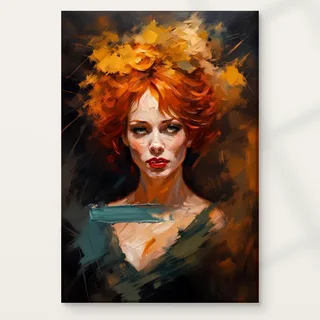
Artwork Crimson Tresses in Brush Expressionist
From £23.00
30.48 × 45.72 cm · Rolled canvas
View artwork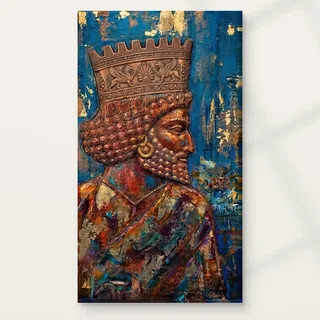

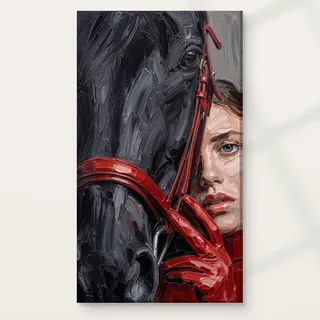
Hand Finished Artwork Equine Gaze with Red Accents Figurative
From £23.00
30.48 × 45.72 cm · Rolled canvas
View artwork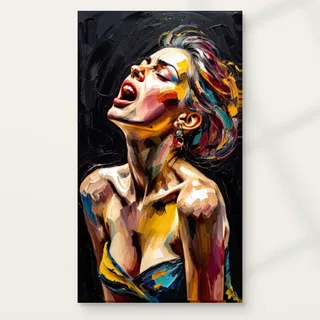
A considered choice
Notice the pose, gaze and space around the figure
Look beyond the face to see how the figure sits within the composition. The direction of a gaze or gesture can lead attention towards another part of the room. Consider that relationship when choosing between two possible positions on a wall.
A close portrait and a full figure create different impressions at the same print dimensions. Compare the amount of background and the scale of the depicted person, then measure your display area. Review the material and presentation separately from the image's composition.
A guide to figurative wall art
Read more: A guide to figurative wall artRead less: A guide to figurative wall art
Figurative wall art can make a room feel watched, occupied or open to a story. The difference often comes down to what a figure does within the picture. At Golden Ads, you can compare a crowned profile, two people drawing together and a portrait where a horse shares the frame with a person.
Begin with three clues: where a subject looks, how figures touch or respond to each other, and what the edge of the picture includes. These will tell you more about how an image will feel in your room than a broad label such as portrait. Then compare the available print formats for the picture you like.
Read direction in figurative wall art
Start with Gilded Monarch in Profile. The figure faces the viewer's right. The dark outline of the nose and beard makes that direction easy to follow. Behind it, the deep blue area gives the profile somewhere to look. Notice the space on that side; it contributes to the sense of poise.
If you place a profile near a doorway, decide whether its gaze should carry towards the opening or back into the room. Neither makes the picture objectively better. However, the direction changes which part of the wall seems to connect with the image. The crown and warm ornament are visible cues, not proof of a particular sitter or historic origin.
Compare a face that turns away with one that faces you
A viewer-facing subject can feel more direct because you meet its gaze. By contrast, a clear profile can draw you along the wall. You may want that difference in a room with more than one entrance. Try viewing the picture from each approach instead of choosing only from the place where you plan to sit.
The Denver Art Museum's Hold That Pose lesson offers a way to consider how posture changes the character of a figure. Apply the idea to a small selection. Look at the shoulders as well as the eyes, then notice whether both point in the direction you expected.
Give yourself a second look without starting at the face. For example, trace the angle of the upper body and see whether the head follows it. A turn against the shoulders may feel less settled than a body and face pointing together. If you are comparing two images for a spot where you sit for long periods, this test can show why one keeps pulling your attention. The point is to notice a visual effect, not to assign an identity or a personality.
Find connections between people in figurative wall art
Some pictures do not need a visible gaze to hold attention. In Embrace Against Brickan arm curves around the nearer figure and the pale wall sets off the bodies. The brick pattern stays relatively steady while the people overlap. Consequently, the action reads through posture and proximity even when the faces are not the main feature.
Look at the hand near the shoulder and the arms farther out. They describe contact and movement without explaining who the people are or what happens next. This gives you a choice about the kind of attention you want. For example, a close portrait can focus a room on one person, while a pair may suggest an exchange or moment.
The National Gallery's description of Murillo's Self Portrait gives a contrasting case: the position of one hand at a depicted frame draws attention to the border of the image. It is not a source for the Embrace design. However, it helps show how a small gesture can change your relationship with a figure.
Let the shapes between figures show you where to look
The space between two bodies can carry much of the story. If the arms and silhouettes form one central shape, you may notice the relationship before either individual. If the figures sit apart, the eye may travel between points instead. Look at the surrounding space before deciding what you like about the expressions.
If several people use the room, check how that movement reads from opposite seats. A picture may feel intimate from one view and more clearly graphic from another. Likewise, a darker wall or a nearby cabinet can alter which edges you notice. None of those differences requires a larger print automatically.
Notice the crop when you compare figurative wall art
Equine Gaze with Red Accents places a dark horse and part of a human face inside the same upright rectangle. The red tack links the neighbouring shapes. Yet you do not see the whole horse or a whole person. Here the tight framing brings the eyes and the thin space between the subjects to the foreground.
Compare this with a design that leaves generous background around a figure. The close crop can make a familiar subject feel more immediate. However, it can also take up more of your attention in a small room. Decide whether that immediacy serves your space before you choose a format. The crop and the dimensions are separate decisions.
Compare the edges of two figurative wall art designs
Look at what touches the edge of the picture. A design that cuts through a shoulder can suggest the subject extends beyond what you see. In contrast, a figure surrounded by space reads more clearly as a whole shape. Test these two effects in a wall grouping. For example, put the close portrait at one end to see if it still feels balanced. Then try a version with more open space at that end. If the close portrait still feels too large, you may prefer a different composition instead of a smaller version of the same crop.
Work with the space you actually see in the room
Stand at one end of the wall and look across it. A tall subject such as the monarch may fit a narrow section visually, while the embrace depends partly on its wider spacing. The physical dimensions of the offered prints will determine much more than an illustration on the screen. Sketch the actual image shape before you commit to a position.
If a narrow walkway is the main constraint, visit the hallway wall art selection for a different starting point. Consider the time you have to look at a picture there. A recognisable outline is easy to read while moving. Conversely, a cluster of related shapes may reward a place where you can stop and look.
Match the real material to the figurative wall art you choose
You can like the look of painted folds, ornaments or brick without wanting every mark to stand out physically. Look at the image as a design first. Then use the Golden Ads materials guide to separate the print support from any finish available for that choice. If you want artwork for an existing frame, measure its actual opening and the visible area you want.
If you search for hand made wall art, ask what the seller has made or finished by hand. A standard print and a hand-finished canvas describe different physical options. However, neither a textured-looking image nor a category name proves you are buying an original painting. Read the specification for the option you selected, and don't guess the process from the style.
Frequently asked questions
Does figurative wall art have to show a person?
The answer is no. In this selection, people are prominent, but a horse can share the picture and contribute to its recognisable subject. The key decision is which forms help you understand the image. A picture can still use broad colour and apparent texture as well as showing a figure.
Is every figurative print a portrait?
The answer is no. A portrait tends to focus attention on a sitter or subject. A figurative image can focus instead on an action or the relationship of bodies in a place. For example, the embrace depends on what the two figures do together, so it doesn't invite you to study a single face.
Which figurative wall art works on a narrow stretch of wall?
First compare the available artwork face dimensions with the width you can use. A profile in an upright rectangle may feel natural in a narrow space. However, allow for any frame and room to see the figure clearly at an angle. Then decide how much space the direction of the gaze needs.
How does the direction of a face affect a pair of prints?
Two inward-facing subjects can seem to address each other. If they face the same way, they can carry the eye across a wall. Alternatively, let one face out while the other looks away. Try the arrangement before deciding whether the two subject sizes and the gap between them feel right.
Can figurative wall art show an emotion without eyes?
Yes. A hand, a tilted shoulder or the distance between two subjects can suggest an attitude or relationship. However, avoid treating those cues as proof of a precise story. You may enjoy noticing one gesture first and discovering a second possible reading when you see the picture again.
Are all gold-coloured details made of gold?
The answer is no. A warm ornamental colour can belong to the image without any metal in the finished piece. To check the actual product, look at the selected material and finish. For instance, a picture can depict reflected light on a crown without using foil or a special metallic ink.
How can I compare the figure size in two listings?
Start by looking at how much of each artwork the subject occupies. Then compare the selected face dimensions, not the size of the two preview images on your screen. 165A half-length figure can look larger in a smaller print when the background takes up much less of the image.
Will figurative wall art make a room feel busy?
That depends on the pose, the colour contrast and the size of the subject. A clear profile against a broad area of colour may read quickly. Conversely, several overlapping figures can give the eye more routes around a picture. Compare one strong accent with an image that has several competing points of attention.
What if I want the picture to suit the room without matching a sofa?
Look for a relationship other than an exact colour match. For example, an upright outline can echo a tall doorway, or a quiet background can give a patterned sofa room to stand out. A muted shared tone can connect the two objects while leaving the figure distinct.
Can a figurative print sit beside abstract wall art?
Yes. Decide whether the two should share a colour, direction or overall weight. If the abstract work carries stronger contrast, it may compete with the face. Alternatively, it can give the portrait a quieter neighbour if its shapes leave the eye somewhere to rest.
What should I check if I am choosing between paper and canvas?
Open the product option and read its name, dimensions and presentation. Paper and canvas can give a similar image different physical edges and textures. If you plan to frame the artwork, ask what will stay visible and whether your chosen print has the margin your plan needs.
Where should I start if more than one figure appeals to me?
Choose the way you want to meet the image: through a gaze, through a shared gesture or through a sharply framed detail. Then compare the pieces from the distance you expect at home. Finally, check the measurements and finish for the version you would actually order.
Choose figurative wall art by the kind of presence you want
Shortlist the design whose gaze, posture or crop holds your attention for the right reason. Then give it a position and enough room to see it. Once the shape and the subject suit your wall, open the artwork and confirm its format, size, presentation and finish before you order.