Explore the collection
Wall art for a living room
47 artworks
Find a focal artwork or a considered companion to the colours already in your living room, without needing to match every element.
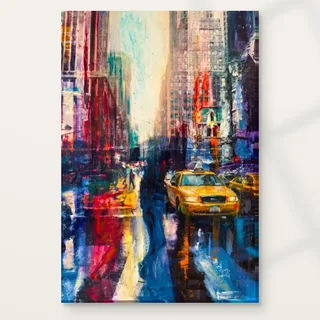
Artwork Yellow Taxi on Wet Street Impressionist
From £23.00
30.48 × 45.72 cm · Rolled canvas
View artwork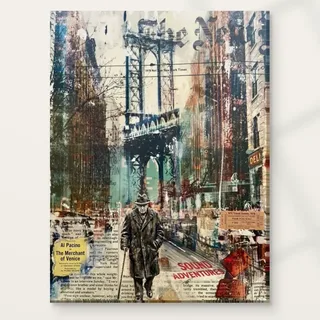
Hand Finished Artwork Watchful Figure Under Bridge Urban
From £23.00
30.48 × 45.72 cm · Rolled canvas
View artwork

Artwork Textured Mountain Crest Impressionist
From £23.00
45.72 × 30.48 cm · Rolled canvas
View artwork

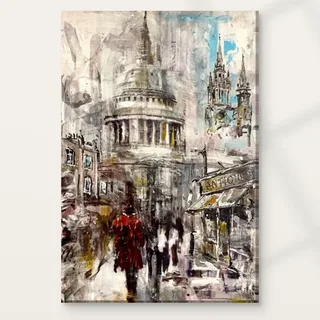
Artwork St. Paul's Under Grey Skies Expressionist
From £23.00
30.48 × 45.72 cm · Rolled canvas
View artwork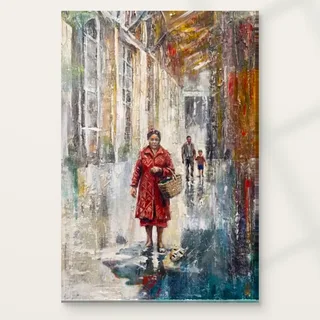
Hand Finished Artwork Woman in Red with Basket Expressionist
From £23.00
30.48 × 45.72 cm · Rolled canvas
View artwork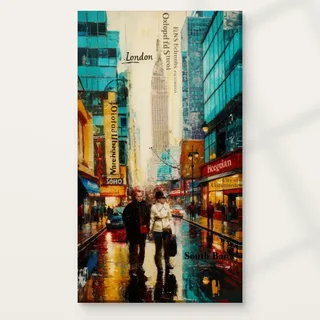

Artwork Woman in Vibrant Passage Expressionist
From £23.00
30.48 × 45.72 cm · Rolled canvas
View artwork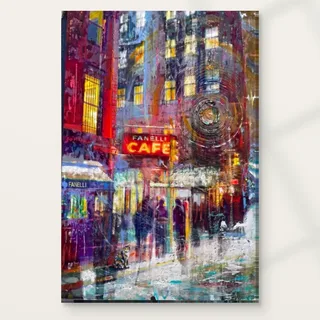
Hand Finished Artwork Neon Glow at Fanelli's Urban
From £23.00
30.48 × 45.72 cm · Rolled canvas
View artwork
Artwork Crimson Tresses in Brush Expressionist
From £23.00
30.48 × 45.72 cm · Rolled canvas
View artwork
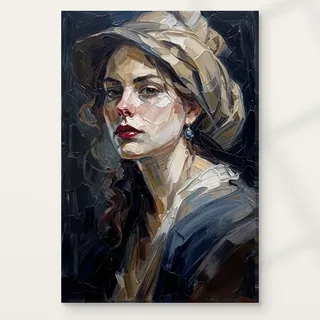
Hand Finished Artwork Woman with Blue Earring Impressionist
From £23.00
30.48 × 45.72 cm · Rolled canvas
View artwork
Artwork Celestial Chariot Procession Surrealist
From £23.00
45.72 × 30.48 cm · Rolled canvas
View artwork


Hand Finished Artwork Blindfolded Whisper Expressionist
From £23.00
45.72 × 30.48 cm · Rolled canvas
View artwork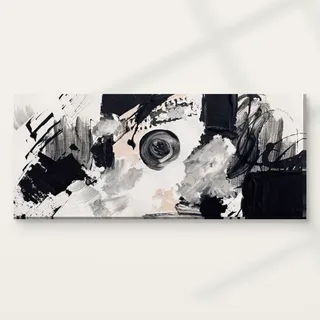
Hand Finished Artwork Monochrome Swirl in Motion Abstract
From £23.00
45.72 × 30.48 cm · Rolled canvas
View artwork
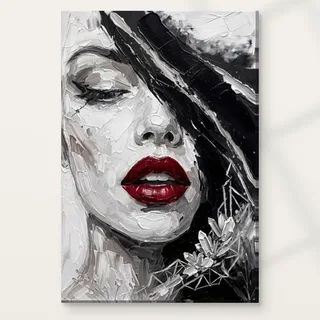
Hand Finished Artwork Crimson Lip Captivation Expressionist
From £23.00
30.48 × 45.72 cm · Rolled canvas
View artwork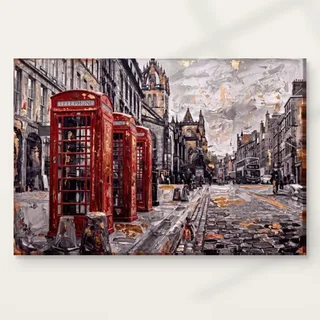
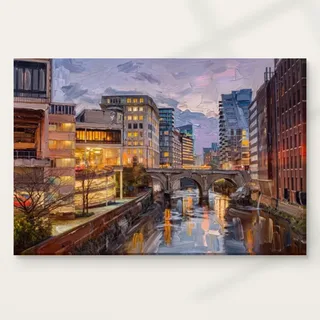
Artwork Twilight Over City Bridge Impressionist
From £23.00
45.72 × 30.48 cm · Rolled canvas
View artwork
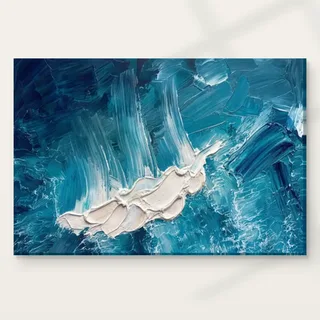
Hand Finished Artwork Turbulent Azure Strokes Abstract
From £23.00
45.72 × 30.48 cm · Rolled canvas
View artwork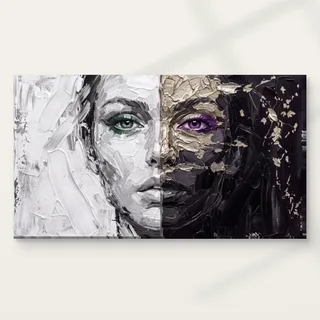

Artwork Vibrant Dance in Silver Expressionist
From £23.00
30.48 × 45.72 cm · Rolled canvas
View artwork
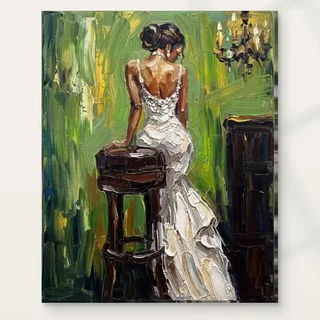

Hand Finished Artwork Ornate Persian Script Abstract
From £23.00
45.72 × 30.48 cm · Rolled canvas
View artwork
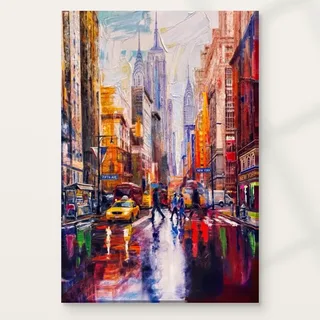
Artwork Rainy Day on Fifth Avenue Contemporary
From £23.00
30.48 × 45.72 cm · Rolled canvas
View artwork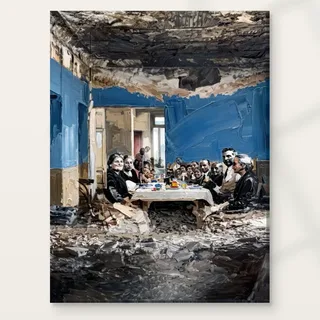
Artwork Gathering in a Ruined Room Expressionist
From £23.00
30.48 × 45.72 cm · Rolled canvas
View artwork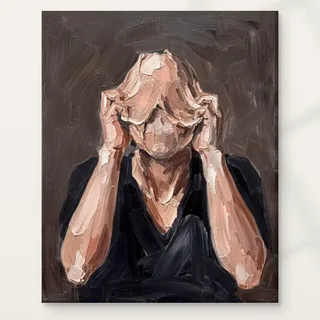
Hand Finished Artwork Distorted Veil Expressionist
From £23.00
30.48 × 45.72 cm · Rolled canvas
View artwork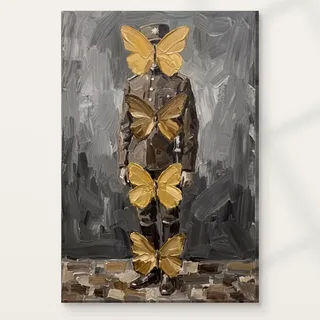
Artwork Soldier with Golden Butterflies Surrealist
From £23.00
30.48 × 45.72 cm · Rolled canvas
View artwork
Artwork Reposed in Crimson and Black Abstract
From £23.00
30.48 × 45.72 cm · Rolled canvas
View artwork
Hand Finished Artwork Monochrome Muse Abstract
From £23.00
30.48 × 45.72 cm · Rolled canvas
View artwork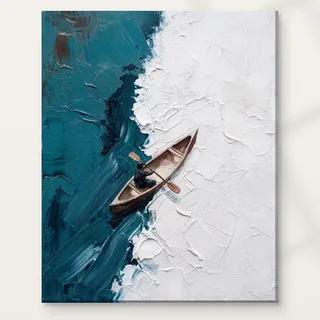
Artwork Canoe Through Textured Waters Abstract
From £23.00
30.48 × 45.72 cm · Rolled canvas
View artwork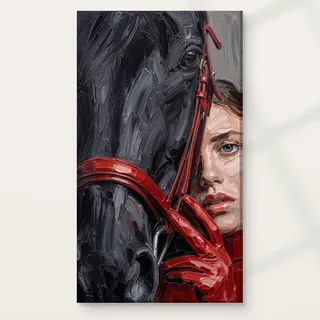
Hand Finished Artwork Equine Gaze with Red Accents Figurative
From £23.00
30.48 × 45.72 cm · Rolled canvas
View artwork
Artwork Dynamic Brushstrokes in Hues Abstract
From £23.00
30.48 × 45.72 cm · Rolled canvas
View artwork

Hand Finished Artwork Textured Facial Reflection Impressionist
From £23.00
30.48 × 45.72 cm · Rolled canvas
View artwork
Artwork Graceful Figure in Red and Black Expressionist
From £23.00
30.48 × 45.72 cm · Rolled canvas
View artwork
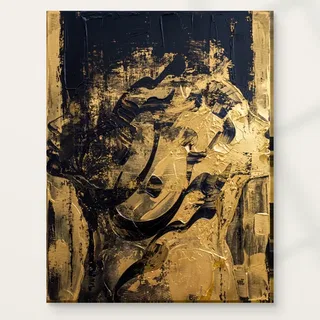

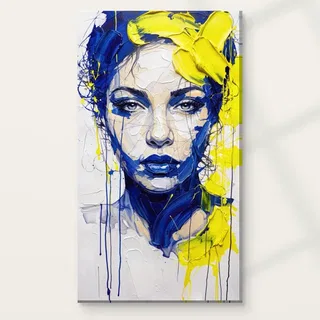
Artwork Blue and Yellow Textures Expressionist
From £23.00
30.48 × 45.72 cm · Rolled canvas
View artworkA guide to living room wall art
Read more: A guide to living room wall artRead less: A guide to living room wall art
Living room wall art looks different as you move through the space. A print you first spot from the doorway may feel much quieter while you sit down. Likewise, a picture that seems restrained on screen can become the first thing you see beside a plain sofa.
Choose it in the room you already have. Start with three ordinary views: the entrance, your usual seat and a seat off to the side. Each tells you something about the size, subject or placement. Use those views to choose from the Golden Ads collection, and don't try to match every colour in the room.
Try three views of your living room wall art
Mark the proposed outer edges of the picture with paper or another temporary outline. Include any frame or mount you intend to add. Then look at that outline from three positions. Pay attention to what the furniture hides, what you see first and whether the edge falls too close to another feature.
From the doorway: give living room wall art a clear outline
Pause at the door instead of walking straight to the wall. See how a tall rectangle compares with a wide one from that position. If a bookcase or lamp blocks the lower part, the usable space may look higher than the measurements suggest. Move the outline sideways before assuming the work needs to sit directly above the sofa.
For example, the upright Yellow Taxi on Wet Street places a bright yellow shape within a longer street scene. If only part of a prospective display is visible from the entrance, check whether the area you recognise first will remain in view. There is no need to choose a large print just to make it visible from the door.
From your usual seat: choose living room wall art you enjoy looking at
Sit where you spend most of your time, and don't judge the outline while standing. On one wall, a wide line may pull your eye past the whole sofa. On another, a smaller picture may make a reading corner feel more deliberate. Compare the positions while keeping your seated viewpoint.
For a wider subject, look at Twilight Over City Bridge. The bridge and its reflection spread the view across the picture. The National Gallery's explanation of picture format distinguishes the proportions of the work from its subject. 61A city image can have a wide format without showing any countryside.
From a side seat: check how living room wall art meets the light
Choose a seat at an angle to the wall. First take a look when daylight reaches the room, then repeat it with your normal lamps switched on. If a window or fitting reflects in a sample piece of glazing, think about whether the angle will interfere with the view you most often use.
Move the proposed position a little before deciding that the whole wall is unsuitable. In addition, consider whether direct sunlight lands on the surface for long stretches. The Canadian Conservation Institute's introduction to light and art materials explains why exposure matters. It does not give a lifespan guarantee for any of these prints.
Plan living room wall art around furniture, not an empty wall
Look at the part of the wall that remains after allowing for objects you plan to keep. A tall bookshelf, a standing lamp and a chair back may break it into several areas. Instead of centring a picture on the full wall, pick the area that gives the design a useful relationship with the seat or table below.
Also test the small gaps between objects. For instance, an outline that nearly touches the top of a lamp can make both feel squeezed. A bigger gap might make the room feel clearer without requiring a smaller picture. Compare what you can see from the doorway and from your seat before you settle the position.
Choose wall art that relates to one colour, not every colour
Pick one feature to connect the print with the room. It could be a muted blue in a cushion, the warmer tone of a wooden table or the strong outline of a chair. The rest of the print can differ. In fact, a contrast can make the connection easier to notice.
If the room already has a patterned rug, compare a print with one broad shape against another with many small marks. The simpler option may let the rug keep its character. Conversely, a wall with plain colours might benefit from a busier subject. That is a choice about the look of your own room, not a rule about how a style should work.
Make a pair of artworks without splitting the difference
When two people prefer different pictures, try a pair with one quality in common. For example, one may have a bright detail while the other echoes that colour in a quieter area. Give the pair a similar relationship to the wall, even if the subjects tell different stories.
If one picture is much taller, decide what you want to align. A shared centre line can feel different from a shared lower edge. Test both with the same outlines and look at the gap between them. To compare other shapes or styles, return to the complete wall art collection.
Place living room wall art between windows
Treat the clear section between the windows as a space of its own. Measure it with the curtains or blinds in the position you use most. For example, curtains that project over the wall can make that section feel narrower than it looks at first. Check that the intended display leaves space for them to move.
Then view the arrangement from both sides of the sofa. The windows already give the wall two strong vertical edges. A tall picture may echo those lines, whereas a small horizontal subject can give the middle more breathing room. Compare both without assuming the new artwork needs to be the same height as the windows. The point is to see how the three shapes work together.
Choose artwork with a presentation you can use
Use the artwork page to check the face dimensions, then work out the final size of the display. A rolled print and a stretched canvas need different preparation. If you want a canvas surface, the canvas wall art range gives you a direct place to compare relevant designs before checking their individual options.
Compare the full cost of the presentation you want. For example, a rolled option may need separate stretching or framing. Use the guide to comparing ready-to-hang costs to list those choices. When we offer professional hand-finishing, it's a separate choice from the way we mount the artwork.
Decide what the living room wall art should do at night
In the evening, a lamp may make one wall more noticeable while a television or a window takes attention elsewhere. Consider whether you want the artwork to be noticeable late in the day or mainly by daylight. That choice can help when you like both a strong, contrasty print and a quieter image.
Also think about which seat you use after dark. A side chair nearer the lamp might reveal a different part of the image. If you regularly move the lighting around, choose the position with the most comfortable view in more than one arrangement. Test the placement before you look for a more dramatic finish.
Frequently asked questions
Does living room wall art have to sit above the sofa?
The answer is no. A wall next to the sofa can work better if you usually look towards it. An artwork can also mark a reading corner or a change between parts of a shared room. Start with the wall you actually notice and work backwards from the available space.
Should living room wall art be the same width as the sofa?
That isn't always the case. A narrow print can give a deliberately open feeling around it. Alternatively, a wider arrangement can work when the wall has few competing objects. Compare both options in outline and consider the furniture next to the sofa before deciding which proportions feel balanced.
Can I choose living room wall art if the furniture may move?
Yes. Try an outline in two positions that could work in the future. For example, a picture that reads well across the room and from a side chair gives you more flexibility than one that only suits the current seating plan. Check the likely wall space in both arrangements.
Does hand made wall art mean the same as a hand-finished print?
The answer is no. A printed picture already contains the design. Where the product offers professional hand-finishing and you select it, the studio can work on the canvas surface afterwards. That does not make the print an original painting or imply that the standard option includes the same work.
Where should I start in a room with a feature fireplace?
Decide whether the fireplace should remain the strongest focus from the entrance. If so, a picture on an adjacent wall can add interest without competing directly. Also check the real wall conditions and the artwork's display needs, and don't assume that a space near a heater will suit it.
Can I order wall art to suit a newly painted room?
Look at the paint in both daylight and the lighting you use at night. View a shortlist beside the wall or beside a sample of the paint. This can help you choose a relationship between the colours, but a screen cannot reproduce the exact appearance of the printed surface.
Is living room wall art a sensible choice for an open-plan area?
Yes. First decide which part of the space the print should address. A piece mainly for the sofa area may need a different position from one that you want to see from a dining table. A clear orientation can help it feel connected to one part without filling every wall.
Should living room wall art line up with a neighbouring doorway?
Use the doorway as a reference, not a rule. An outline may look balanced when it sits near the same height as another feature. However, a chair or lamp can change the apparent spacing. Compare the relationship from a normal seat as well as from the entrance.
What should I measure if I plan to choose artwork and frame it later?
Measure the part of the wall you can use and note the maximum outer frame dimensions. Separately, check the listed image face for the option you want. The material supplied for a rolled artwork may include extra area that does not count towards the visible composition.
What if a television and the artwork compete for attention?
Consider a different wall, a quieter image or extra space between the two. For example, a piece with broad values can work on a nearby wall without competing as much with a bright screen. Check the full arrangement with the television off and on.
Is more than one print always better on a long wall?
The answer is no. A single wide subject can feel deliberate if the rest of the room already has several points of interest. On the other hand, a pair can bridge two areas without needing a wide individual print. Try both outlines before buying the extra artwork.
Do I need to choose the same finish for every picture?
The answer is no. Consider what you will notice from the normal distance and under your lighting. A visible physical finish may matter on a work where you sit nearby. The same change might not add as much to another picture further away. Review what each selected listing offers.
Pick living room wall art you want to see every day
Take the piece you remember most clearly and give it the three-view check: entrance, usual seat and side seat. Compare its chosen dimensions and presentation against the wall and room light. If it still feels right in those positions, open the artwork page to make your selection.